


DealSeek: Coupons & Discounts review
 Analysis by GetAllApps
I tend to open a coupon app with one practical question: will it help me make a purchase I already planned, or just tempt me into browsing deals I do not need? DealSeek: Coupons & Discounts is aimed at the first kind of shopping. It is a free shopping app from DealSeek LLC, built around finding promotional savings, and its straightforward premise makes it easiest to judge by how well it fits into a real buying routine.
Finding a deal without turning shopping into a project
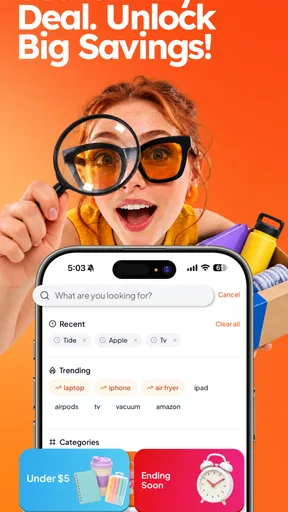
My preferred way to use DealSeek is to start with an item or store already in mind. Rather than treating coupon browsing as entertainment, I would use it shortly before checkout: search for a relevant offer, read its conditions, and decide whether the discount is worth the extra steps. That simple order matters. It keeps a potential saving from becoming a reason to buy something I would otherwise leave on the shelf.
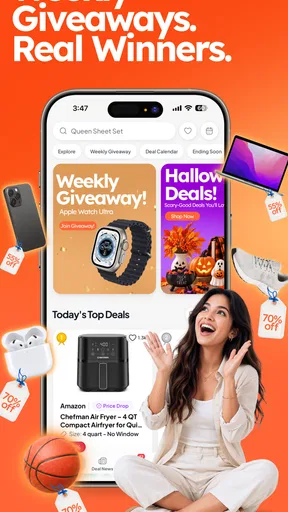
The app belongs to the shopping category, but its focus is narrower than a general marketplace. It is not where I would compare every product specification or manage a whole household budget. Its value is in helping shoppers look for promotional codes and savings while they are deciding where or how to buy. For someone who already knows the purchase, that focus can make the app feel more useful than scrolling through broad shopping feeds.
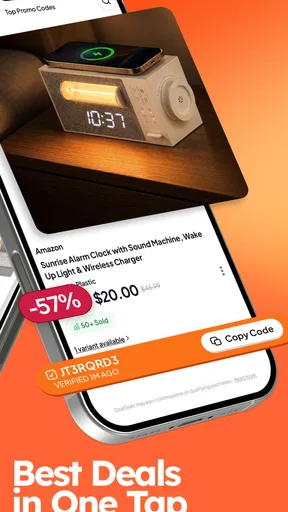
There is a difference between finding a code and successfully using one. A promotion can have restrictions, apply only to certain products, or require a particular checkout route. I would treat any result as a lead to verify, not a guaranteed reduction. Before relying on an offer, check the wording and confirm that the final checkout total changes. That small habit is more dependable than assuming a coupon will work because it appears in a list.
Speed expectations: quick checks, not a promise of instant savings
For a coupon app, speed is about more than how quickly a screen opens. The useful question is whether I can get from a shopping intention to a relevant offer without losing time to unrelated browsing. DealSeek’s focused purpose supports that kind of short session, but the usefulness of a search still depends on whether there is a suitable promotion for the item or store I have in mind.
I would open it before placing an order rather than wait until the last seconds of checkout. That gives me time to read the offer terms, try a code, and compare the final total with the price I expected to pay. If a promotion requires too much effort or changes the purchase into something less convenient, I would skip it. A modest discount is not automatically a good deal if it costs more time than it saves.
One practical trick is to decide on a stopping point before browsing. For example, I might check the store I intended to use, test a relevant offer, and move on if it does not apply. This avoids the familiar coupon-app trap of searching indefinitely for a better code. It also makes the experience feel faster in practice, because I am using the app to answer a specific question rather than asking it to plan my shopping for me.
Heavy-use moments: where a little preparation helps
The app is most useful when shopping involves several planned purchases or a checkout that can wait a few minutes. If I am ordering household supplies, I can make my list first, then check for savings against the things I already need. That order is a useful safeguard: it separates genuine discounts from offers that might encourage an unnecessary add-on.
For a realistic everyday example, imagine I have run out of a cleaning product and am already preparing an online order from a familiar retailer. I would check DealSeek before paying, see whether a relevant promotion fits the order, and then compare the displayed total with the amount I expected. If the code fails or its conditions do not match, I can complete the purchase without rebuilding my cart around the coupon. The app is helping with a decision, not taking control of it.
When I am checking several stores, I would keep a short note of which offer belongs to which retailer instead of opening multiple possibilities and relying on memory. This is especially helpful if I am comparing a coupon against shipping, minimum-spend conditions, or a different price elsewhere. The best choice is the lowest sensible final cost, not necessarily the biggest-looking percentage. A coupon can lose its appeal if it pushes me to spend more or choose a less suitable seller.
There is also a point where heavy browsing becomes counterproductive. If I am hunting for a discount on a low-cost item, repeatedly testing unrelated codes can take longer than the potential benefit justifies. I would use DealSeek more deliberately for purchases large enough to merit a quick check, or for regular shopping where a relevant offer could make a noticeable difference. For an urgent, one-item purchase, the fastest and clearest route may simply be buying it without a coupon search.
Reliability: verify the offer at checkout
Coupon reliability is not only about whether an app opens consistently; it is also about whether an offer applies to the purchase in front of me. Retailer rules and promotion terms can make a seemingly suitable code unusable. I would therefore judge DealSeek by the quality of the match and by the final checkout result, not by the number of offers I can browse.
A useful workflow is to test one relevant offer at a time. If it works, check that the order total reflects the expected saving before submitting payment. If it does not, read the conditions once and decide whether there is an obvious reason—such as an item or order requirement—before moving on. Cycling through many near-identical codes without checking their terms is frustrating and makes it harder to tell what actually changed.
DealSeek is developed by DealSeek LLC and has an average rating of 4.8 from around 19,000 ratings, alongside roughly 1,500 written reviews. More than one million installs suggest that it has reached a substantial group of shoppers, but those figures cannot tell me whether a particular offer will work for my cart today. I see them as useful context for the app’s reception, not a substitute for checking each promotion myself.
If an offer fails, I would not keep rebuilding a purchase around it. Remove the code, compare the ordinary total with other options I would genuinely consider, and buy only if the purchase still makes sense. That is a better recovery strategy than letting a failed discount turn into a longer search. For a shopper who values predictable checkout above hunting for savings, a retailer’s own promotions or a familiar store loyalty option may be the simpler choice.
Device constraints and who will get the most from it
The app is listed for devices running Android 7.0 or later, and its content rating is Everyone. It is currently at version 1.63.29. Those details make it easier to decide whether it fits an older Android device, but they do not tell me how much storage, battery, or data it uses in ordinary use. I would avoid making resource claims without a device-specific test; in practice, the sensible approach is to keep the app updated through the app store and close it when I have finished shopping.
For performance, I would pay attention to the conditions I can actually observe: whether searches return usable results, whether the app remains responsive during a short session, and whether it recovers sensibly after I switch away to a retailer’s checkout. Network quality and the retailer’s own checkout can affect that experience too, so a delay does not automatically point to DealSeek. If something stalls, I would return to the app, recheck the offer details, and verify the cart directly rather than assume a discount has been applied.
I can see this fitting people who already shop online, like checking for a code before paying, and are comfortable reading promotion conditions. It is less suitable for anyone who wants a complete shopping destination, needs product research more than coupon discovery, or finds deal browsing encourages impulse purchases. It may also be the wrong tool when a purchase is time-sensitive and a failed code would create needless friction. In those cases, buying from a trusted retailer directly is a perfectly reasonable alternative.
Compared with searching the web manually, a dedicated coupon app can offer a more focused place to look; compared with a retailer’s own offers, it may provide a broader starting point but still requires checking the retailer’s checkout rules. I would use DealSeek as one step in that comparison, not as the sole authority on the best price. For a high-value purchase, comparing the final totals across the options I would actually use is more useful than chasing a headline discount.
My performance verdict: useful when the purchase comes first
DealSeek is at its best as a brief, purposeful stop between choosing what to buy and paying for it. Its free price removes the need to make a subscription decision, and the clear coupon-focused role is easy to understand. I would not expect every search to produce a usable saving, but I do think the app can earn a place in a routine where I check relevant offers without letting them dictate what goes into my cart.
The main trade-off is attention. A coupon search can save money, but it can also consume time or make an unnecessary purchase feel justified. My advice is to enter with a store or item in mind, check the terms, confirm any reduction at checkout, and stop when the offer is not a good fit. That approach makes the app more helpful and keeps the decision in your hands.
Overall, I would recommend DealSeek to practical bargain-checkers who want a quick extra step before completing a planned purchase. I would skip it if I needed a full product-comparison service or if I knew I would keep browsing long after the useful options were exhausted. Used with a clear goal and a willingness to verify the final price, it is a sensible shopping companion rather than a magic shortcut to savings.
Pros and cons
Pros
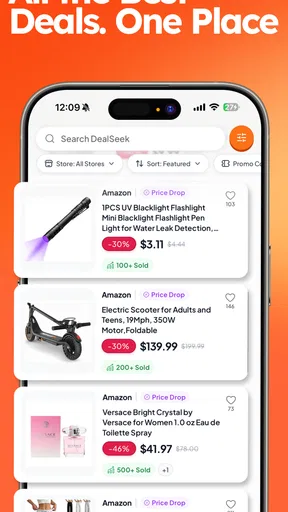
- Searches across deals from multiple retailers in one place.
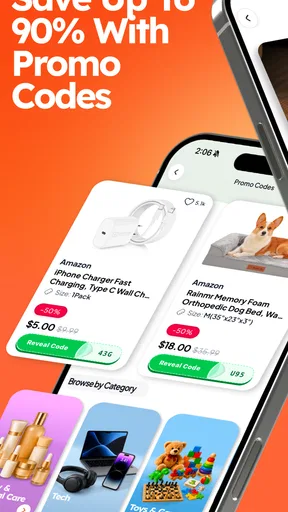
- Coupon categories make it easier to find relevant offers.
- Deal alerts can help users catch limited-time savings.
- A free app gives shoppers a way to browse offers without a subscription.
- Useful for comparing promotions before making a purchase.
Cons
- Some coupons may have expired before users try to redeem them.
- Offer availability can vary by retailer and location.
- Certain deals may require minimum purchases or other conditions.
- Savings may require shopping through the app or a specific link.
- Deal alerts can become distracting if many are enabled.


